If you are weighing how to play Omaha poker online, the option sits as a choice built on different priorities than the usual rush. It is less about chasing a quick spin and more about reading hands and managing pace. Two identical-looking slots can be set to different RTPs by configuration, which is exactly why a careful eye matters here. Plinko Machine AU keeps that same scrutiny on its own setup, while this guide looks at what actually sits behind the tables.
Read the Board Before You Bet Your Stack
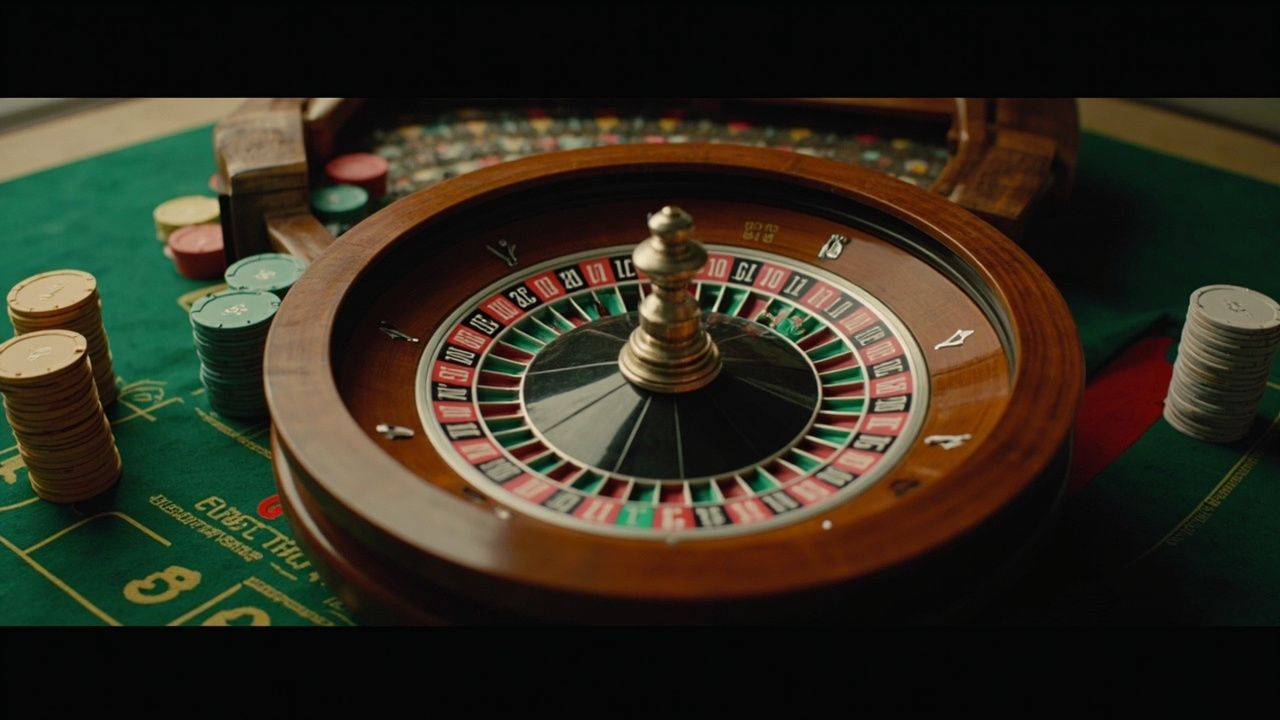
The first thing to understand is that Omaha hands play differently from Texas Hold’em, especially when you are used to seeing fewer cards in play. Each player receives four hole cards, and you must use exactly two of them alongside three community cards to make your best five-card hand. That rule changes the math entirely, because the range of possible combinations expands quickly and the pot can grow fast if you misread your strength. I once watched a mate in Western Sydney stare at a river for a full minute, convinced he had the nuts, only to realise his kicker was dead and the pot was already gone. That kind of misread is common when the hand size doubles and the board texture gets wet. The game rewards patience more than aggression, and the best players treat each street as a separate decision rather than a single swing. You do not need a massive bankroll to start, but you do need a clear sense of where your edge sits and where it does not. The pace can feel slower at first because the action is more deliberate, but that same deliberation is what keeps the variance from sweeping you out in a single bad beat. If you treat every hand as a small puzzle rather than a lottery ticket, the learning curve flattens and the sessions become more about skill than luck.
This emphasis on precise hand construction means that pot control and position awareness become even more critical than in many other variants. Because the deck combinations grow exponentially with those extra hole cards, players often need to study probability charts and practice disciplined betting ranges before jumping into high-stakes tables. If you want to explore how disciplined bankroll management translates into other skill-based games, you can review the responsible gaming guidelines at plinko-machine-au.com.
Where the Controls Actually Sit on the Screen
A solid platform makes the mechanics easy to follow and the safeguards obvious before you put a single dollar in. Registration usually asks for standard identity details, and the verification step is there to keep the account tied to a real person rather than a throwaway alias. Payments tend to run through familiar local methods, and the currency stays consistent so you are not juggling conversions mid-session. Support should be reachable without digging through three layers of menus, because when a hand is disputed or a deposit stalls, you want a human response rather than a canned loop. Responsible-play tools need to be front and centre, not buried in a footer, with limits on deposits, losses, and session time that you can set in a minute and adjust when your circumstances change. I have seen a player in a busy Western Sydney cafe pause a session, lock a loss limit, and walk away without the urge to chase, which is exactly the kind of control a good setup should make simple. Privacy matters too, because your hand history and balance are personal data that should not leak into marketing funnels or third-party lists. The point is not to make the experience feel clinical, but to make sure the tools are there when you need them and invisible when you do not.
Strategy and the Booms Bet Experience
When you start building a real approach, the work shifts from learning the rules to understanding how the odds behave across different sessions and stake levels. A deeper look at Omaha poker strategy and the Booms Bet experience shows how the same game can feel entirely different depending on the table selection, the rake structure, and the way the software presents the action. Mia Stewart, Product Analytics Lead, Oceanic Gaming Strategy, has noted that the biggest leak she sees is players treating Omaha like a high-card game and ignoring the draw potential that comes from four hole cards. That observation matters because it changes how you value a hand pre-flop and how you read the board on later streets. Cooper Graham, Digital Acquisition Director, Banksia Betting Partners, has pointed out that responsible acquisition means matching the pace of the game to the player’s actual habits, not just pushing a bonus that encourages faster play. That is a useful lens, because a bonus that looks generous on paper can quietly push you into higher stakes before you have settled into a rhythm. Eliza Robinson, Head of Analytics, Boomerang Gaming Insights, has cautioned that session length and loss limits are better predictors of a healthy experience than any single win rate, which is a reminder that the numbers you track should be about control first and profit second. The strategy piece is not about finding a magic system, but about recognising where the edge comes from and where the setup is quietly working against you.
Keeping the Session Grounded From Start to Finish
The final piece is about how you close out a session and what you do when the cards stop cooperating. A good online setup lets you step away cleanly, with a clear record of what you played and what you spent, so you are not relying on memory alone when you review the night later. Mobile play should feel consistent with the desktop version, because the rules and the hand rankings do not change just because you are on a smaller screen, and the same safeguards need to follow you there. Loyalty features, when they exist, should reward steady play rather than pushing you toward higher stakes or faster tables, and the rewards should be transparent enough that you can see what you are actually earning. I have sat through a few arvos where the phone buzzed with a bonus offer right as a session was winding down, and the temptation to stay one more orbit is real even when the results are already wolf-treasure-free-play-au.com telling you to stop. That is why the account controls matter more than any promotional message, because the offer is only useful if it fits the way you actually want to play. The game itself is a skill-heavy format that rewards study and restraint, and the platform is only doing its job when it makes that study easier and the restraint easier to keep. If you treat the whole experience as a managed activity rather than a sprint, the cards become a lot less volatile and the sessions a lot more predictable.Omaha poker strategy and the Booms

The best way to approach how to play Omaha poker online is to treat it as a game that rewards preparation and clear limits, not as a shortcut to quick returns. The rules are straightforward once you have seen a few hands, but the real work sits in choosing a setup that respects your time, your data, and your bankroll. When the controls are visible and the pace matches your habits, the game becomes a lot more about reading the board and a lot less about chasing what you lost an hour ago.